
Home › About Rio de Janeiro › Welcome to Rio de Janeiro
Welcome to Rio de Janeiro
Framed by granite peaks and lapped by the Atlantic, Rio de Janeiro is a city where urban energy meets a tropical wonderland. Enjoy the 2027 ILAG Conference and discover the architecture, natural beauty and lifestyle that make the city an unforgettable experience.
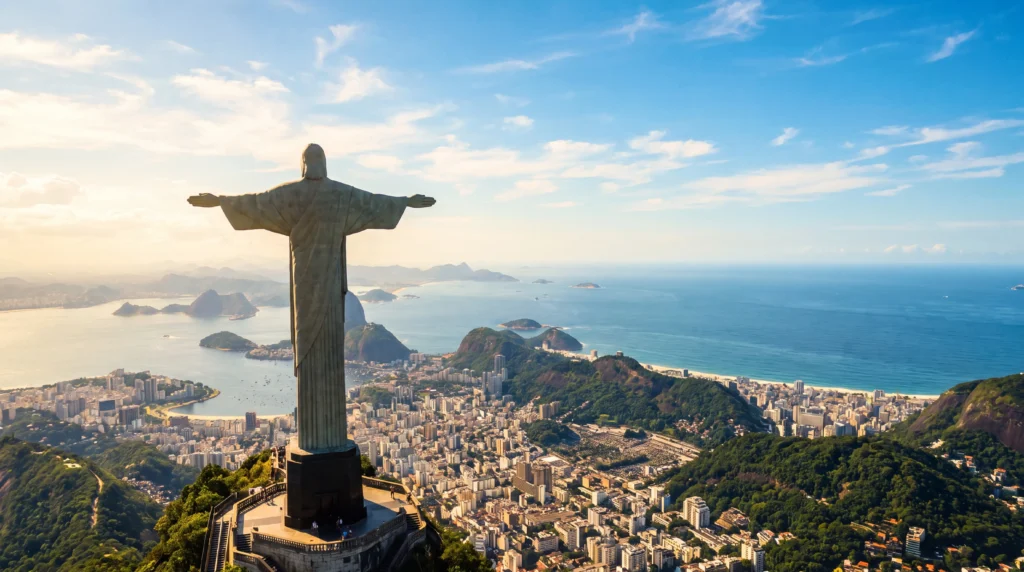
Christ the Redeemer
Crowning the mountain at the heart of the Tijuca National Park, Christ the Redeemer is one of Rio’s most sought-after sights and the largest and most famous Art Déco sculpture in the world. First planned in 1921, the statue was built under engineer Heitor da Silva Costa over five years, from 1926 until its inauguration in 1931.
It stands 710 metres above sea level, with 220 steps leading up to the statue’s feet and one of the most beautiful views of the city. In 2007 it was elected one of the New Seven Wonders of the World in a global vote organised by the Swiss New7Wonders Foundation. The monument can be reached by train, van or car; the 20-minute train ride crosses the Atlantic Forest to the top of Corcovado, and three panoramic lifts and four escalators make the final stretch an easy one.
Sugarloaf Mountain
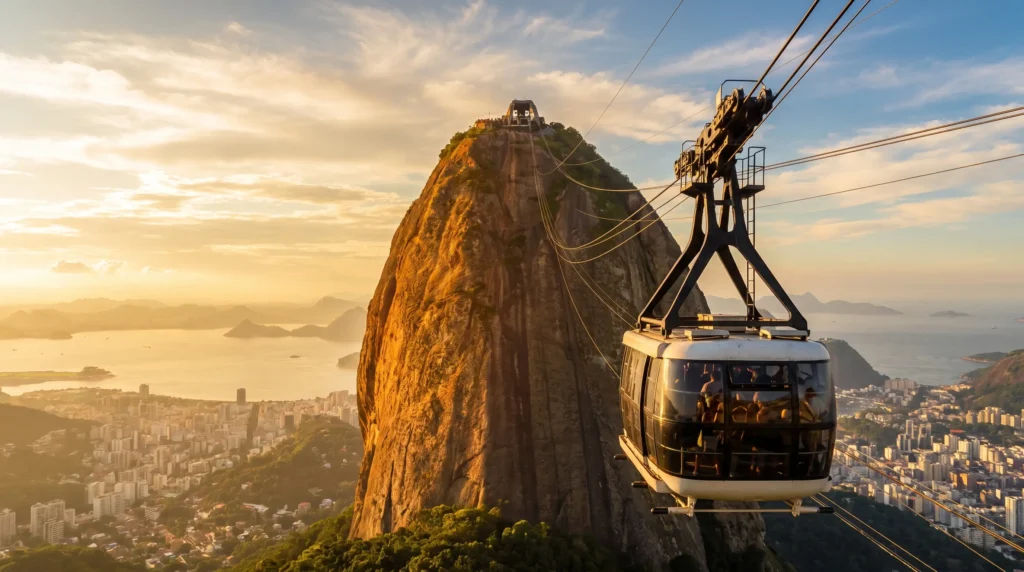
From Praia Vermelha, a first cable car carries visitors up Urca Hill, and a second continues to the top of Sugarloaf itself, 396 metres above the sea. Several stories compete to explain the name; the most popular holds that during the height of the sugar-cane trade, between the sixteenth and eighteenth centuries, producers shipped sugar in moulded blocks whose shape recalled the mountain.
Inaugurated in 1912, the Sugarloaf cable car was the first in Brazil and only the third in the world, and more than 40 million people have ridden it since. The two summits reveal gorgeous views over Botafogo cove, Copacabana and the mouth of Guanabara Bay. In summer, the amphitheatre on Urca Hill becomes a stage for concerts and evening events against the glittering lights of the city.
Museum of Tomorrow
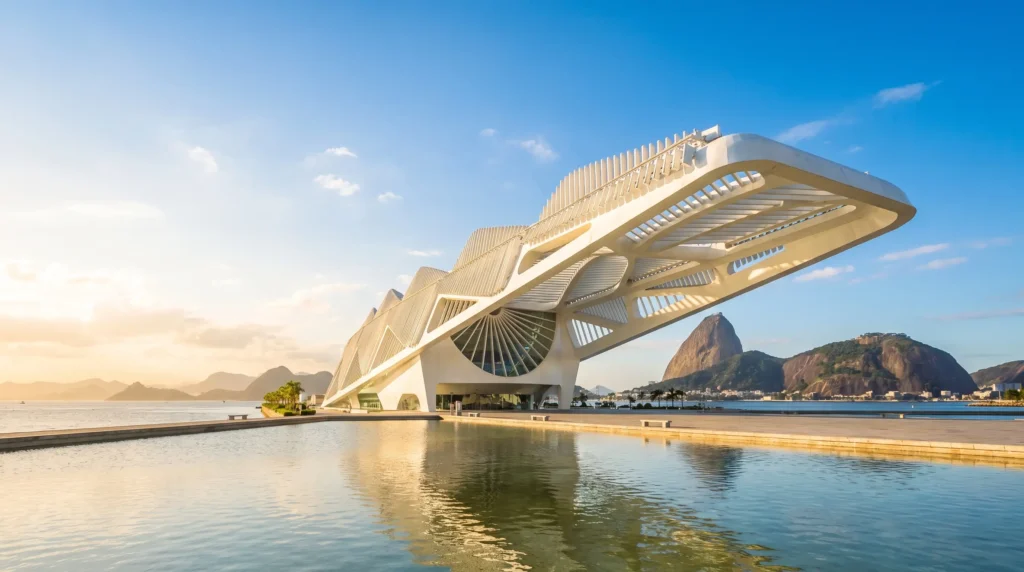
Questions such as “where did we come from?” and “where are we going?” run through the thoughts of people everywhere. Reflecting on them, the visionary Museu do Amanhã (Museum of Tomorrow) took shape as an ample space for debating and studying the impact of our actions and how we can alter the troubling scenario that lies ahead.
Institutions of worldwide renown, including MIT, Google and NASA, take part in the collective effort behind the museum’s studies of how individuals can change our destiny on Earth. It is a pioneering project with no equivalent anywhere in the world.
Botanical Garden
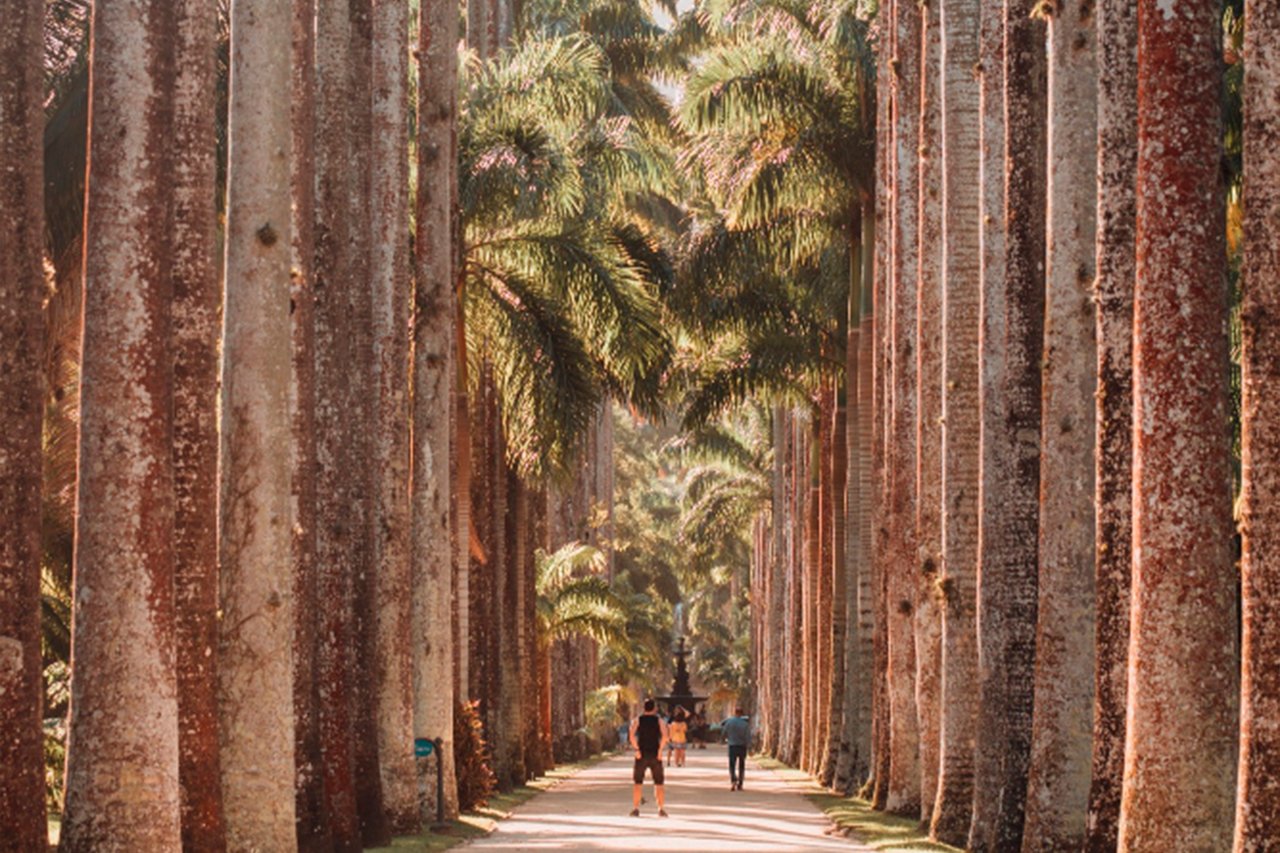
Created in 1808 by Dom João VI of Portugal, the Rio de Janeiro Botanical Garden is famous for the exuberance and scientific importance of its plant collection and the beauty of its landscapes. Visitors can stroll the alleys or rent an electric car to see plants from all over the world, visit the greenhouses of orchids, bromeliads, ferns and insectivorous plants, and explore themed gardens such as the Japanese Garden, created in 1935 from a donation of 65 species. Highlights include the Visitors’ Centre, the statues of Echo and Narcissus by Mestre Valentim, and the Academy of Fine Arts Portal designed by Grandjean de Montigny. The garden is also an excellent spot for birdwatching.
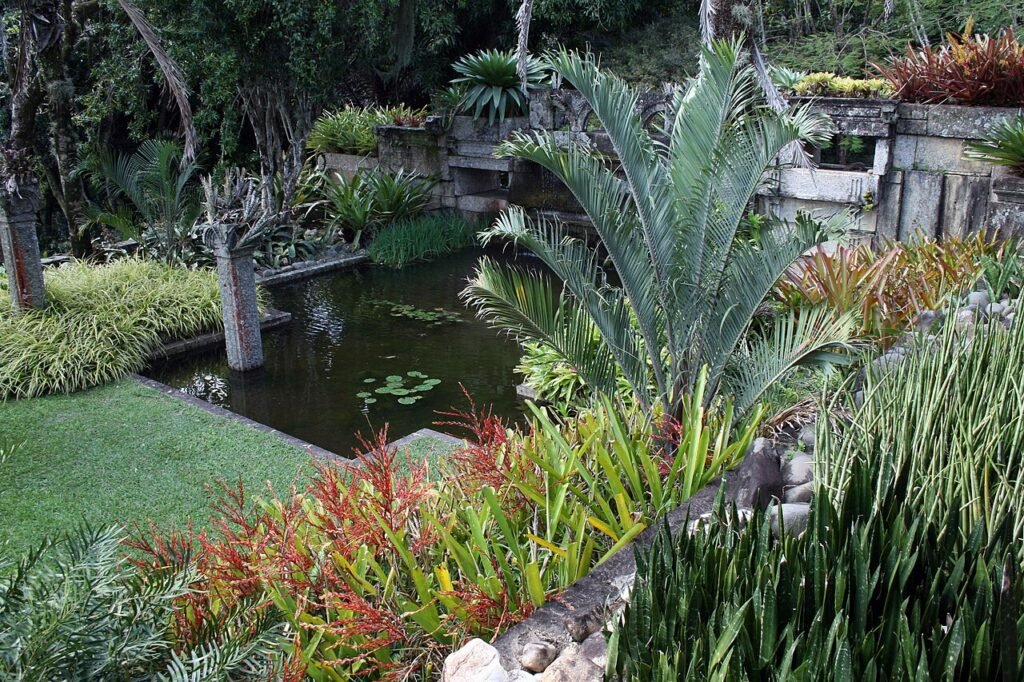
Sítio Burle Marx
Built by the landscape architect Roberto Burle Marx at his residence in the city’s West Zone, the Sítio Burle Marx spreads its 365,000 square metres across beautiful gardens holding one of the world’s most important collections of tropical and subtropical plants — more than 3,500 species adapted to the site’s mangroves, sandbanks and Atlantic Forest. Guided tours introduce visitors to the species that inhabit the grounds and to the story of this celebrated Brazilian designer, taking in the architecture, the studio and the Burle Marx House museum, which preserves 3,125 pieces, including rare works of art and craft gathered over a lifetime.
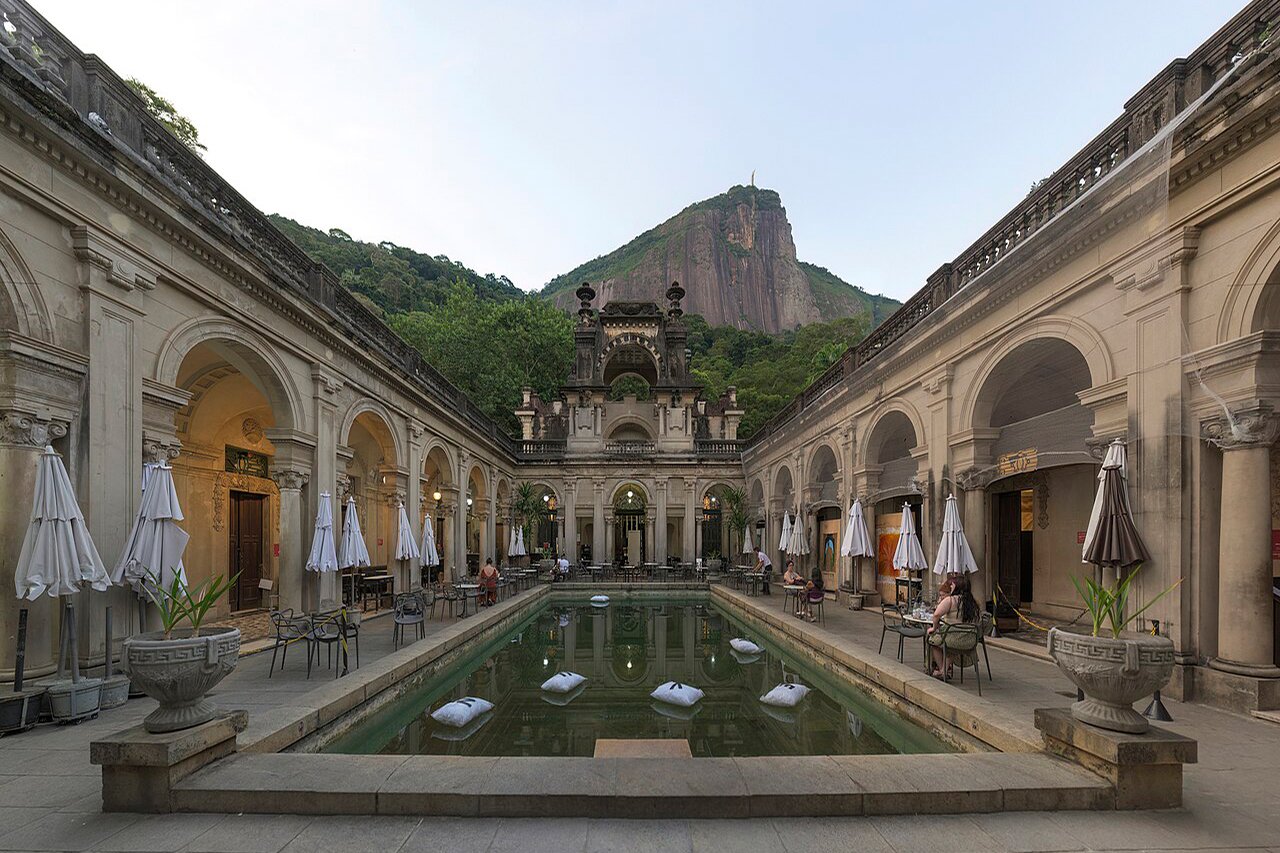
Parque Lage
Originating from an old sugar mill, Parque Lage is part of the city’s historic memory and was listed by the National Historic and Artistic Heritage Institute (IPHAN) in 1957. Its gardens, designed in 1840 by the English landscaper John Tyndale in a romantic European style, share the grounds with native Atlantic Forest, imperial palms, streams, an artificial island, caves and a wall-set aquarium. The nineteenth-century mansion at its heart houses the Visual Arts School (EAV), which offers free training to beginning artists alongside exhibitions, seminars and lectures, while the Bistrô Plage serves breakfast, lunch and dinner by the courtyard pool.
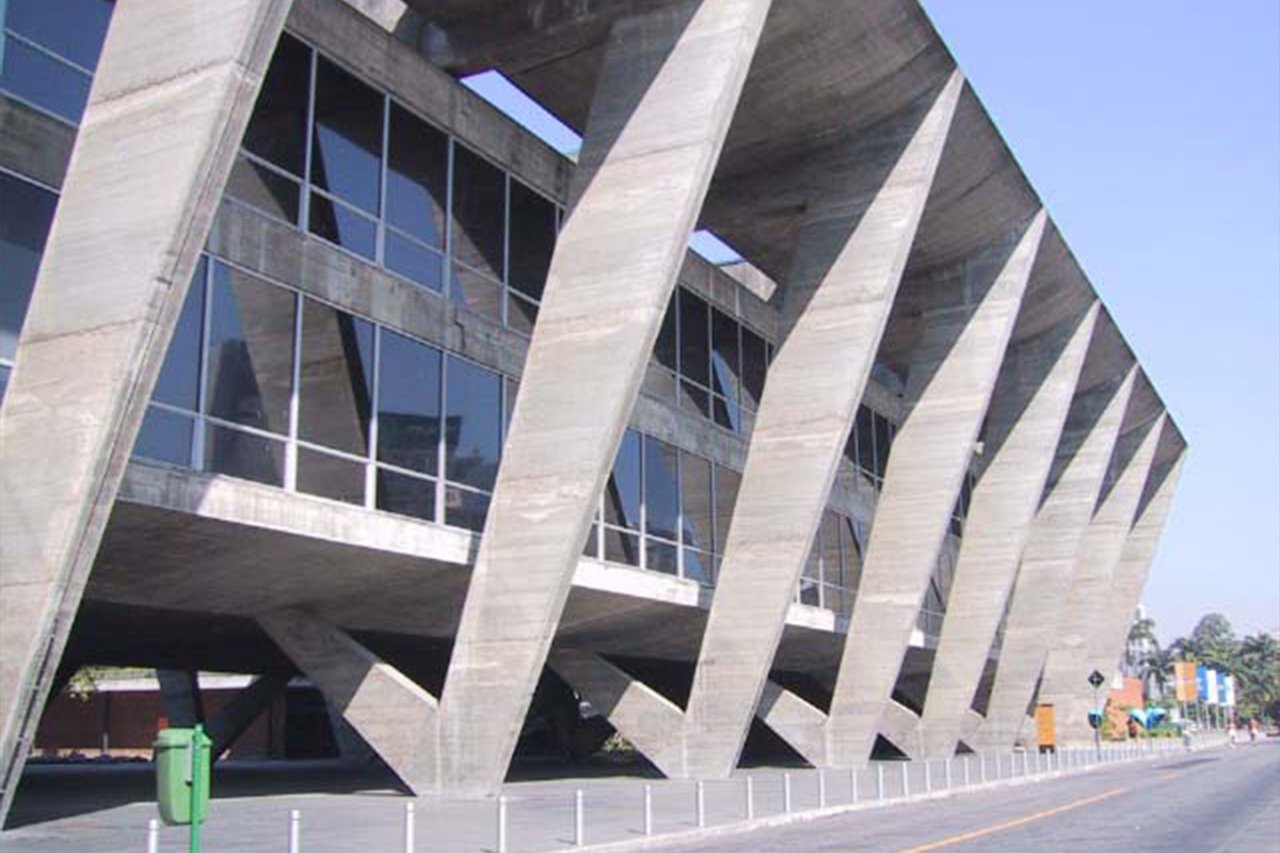
MAM — The Museum of Modern Art
The museum’s building is an architectural landmark in its own right, the work of architect Affonso Eduardo Reidy set in gardens designed by Roberto Burle Marx. Its collection of more than 15,000 works brings together sculptures and paintings by internationally renowned artists, alongside a notable group of Latin American names.
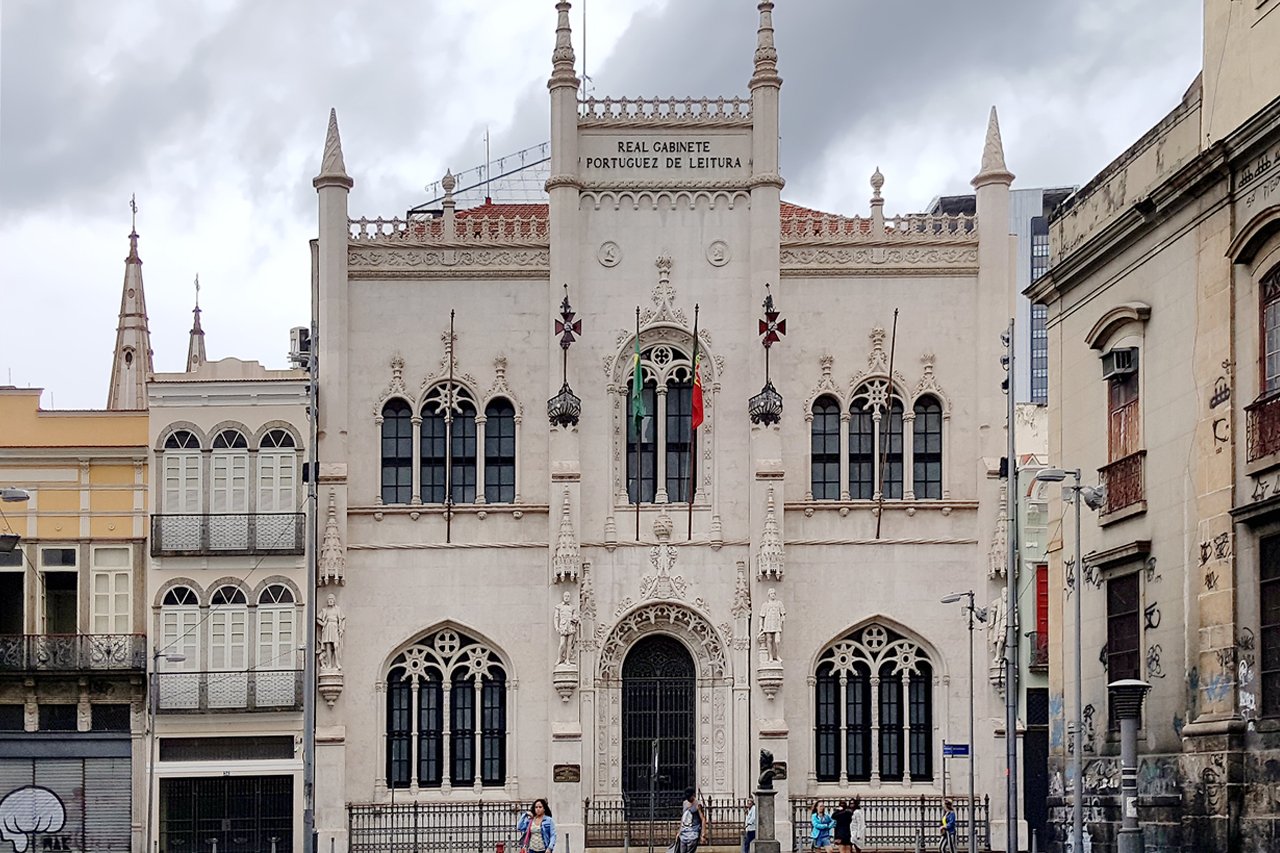
Real Gabinete Português de Leitura
Founded in 1837 by a group of Portuguese immigrants to promote culture within the Portuguese community of the then imperial capital, the Real Gabinete’s current home was designed by the Portuguese architect Rafael da Silva Castro and erected between 1880 and 1887. Its façade, inspired by the Jerónimos Monastery, was carved in lioz limestone by Germano José Salles in Lisbon and brought to Rio by ship. The library holds a collection of 350,000 titles by Portuguese authors, which readers can consult in its grand reading hall.
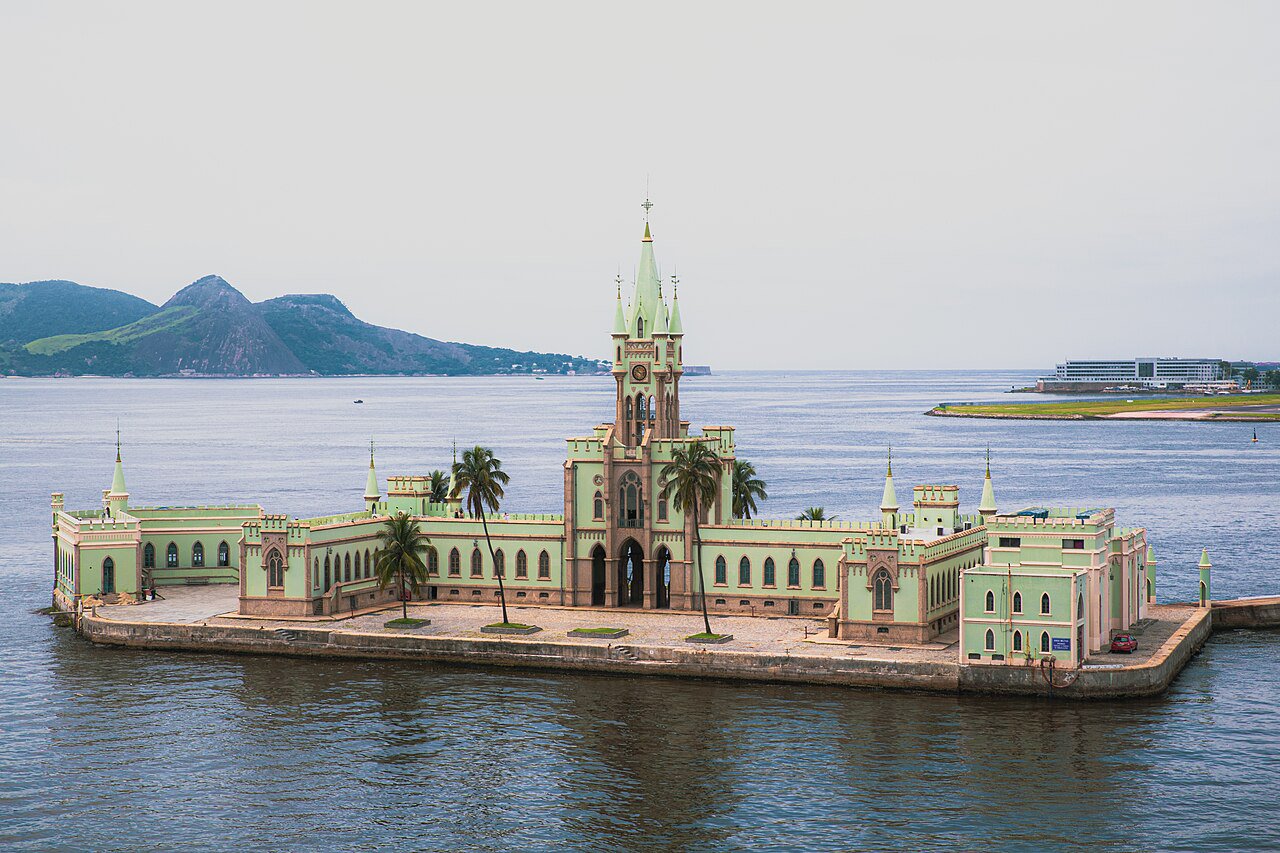
Ilha Fiscal
The construction of a customs post to control goods traded through the harbour of Rio de Janeiro was requested in the nineteenth century by Counselor João Antônio Saraiva of the Ministry of Finance. The island, then known as the Island of Rats, was chosen for its proximity to the anchorage points of the foreign merchant ships that docked in Guanabara Bay, at the height of today’s Praça XV.